
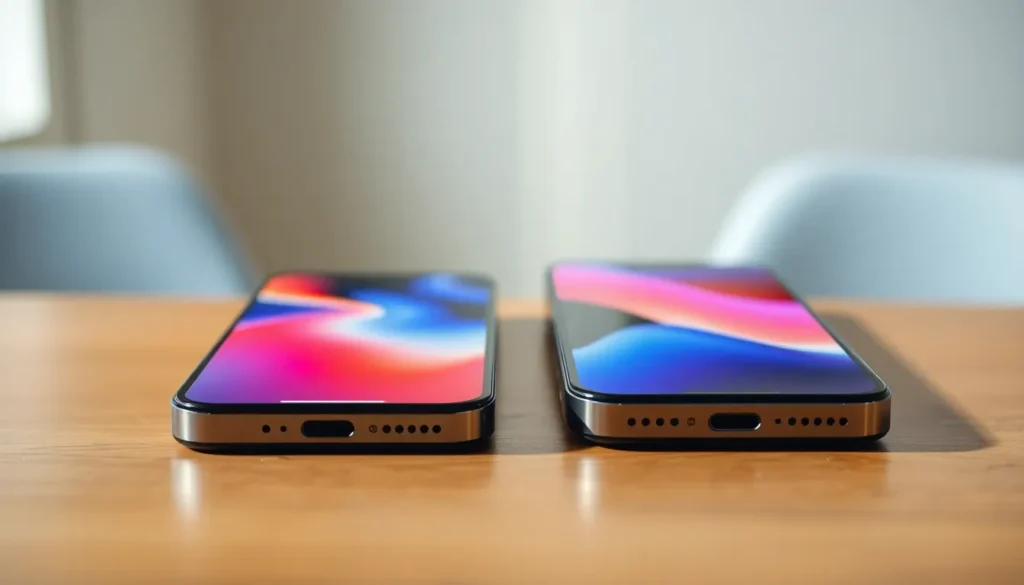
When it comes to smartphones, size matters—especially if you’re trying to decide between the iPhone 12 and iPhone 13. Both models promise sleek designs and top-notch performance, but is there a size difference lurking beneath those shiny exteriors? Spoiler alert: it’s a bit like trying to find a difference between identical twins at a family reunion.
In a world where every millimeter counts, understanding the dimensions of these devices can save a lot of heartache (and hand cramps). Whether you’re an iPhone aficionado or just looking to upgrade, knowing the size specifics can help make your decision easier. Let’s dive into this tech mystery and see if the iPhone 12 and 13 are truly the same size or if there’s a sneaky difference hiding in plain sight.
Overview of iPhone 12 and iPhone 13
iPhone 12 and iPhone 13 share similar design elements, yet subtle differences exist in their dimensions. Both smartphones boast sleek, flat edges, and a high-quality glass front, providing an elegant look. When measuring, the iPhone 12 stands at 5.78 inches in height, 2.82 inches in width, and 0.29 inches in thickness. The iPhone 13, on the other hand, is slightly taller and thicker, measuring 6.1 inches in height, 2.53 inches in width, and 0.30 inches in thickness.
Weight varies between models as well. The iPhone 12 weighs approximately 164 grams, while the iPhone 13 weighs around 173 grams. A larger battery contributes to the extra weight of the iPhone 13, enhancing overall battery life without significantly altering the phone’s dimensions.
Both models feature a 6.1-inch Super Retina XDR display, ensuring a similar viewing experience. Despite the size difference being marginal, the screen area remains constant, allowing users to interact with apps and media comfortably.
Color options also differ, with the iPhone 12 available in a range of vibrant colors, while the iPhone 13 introduces new shades, enhancing user choice. The similarities and minor distinctions can influence buying decisions, making it essential for potential buyers to assess personal preferences regarding design, weight, and functionality.
Overall, while the iPhone 12 and iPhone 13 display closely related designs, understanding the specific dimensions and slight differences is crucial. Measuring each model provides an informed perspective for those considering an upgrade or a switch between these two models.
Design Specifications
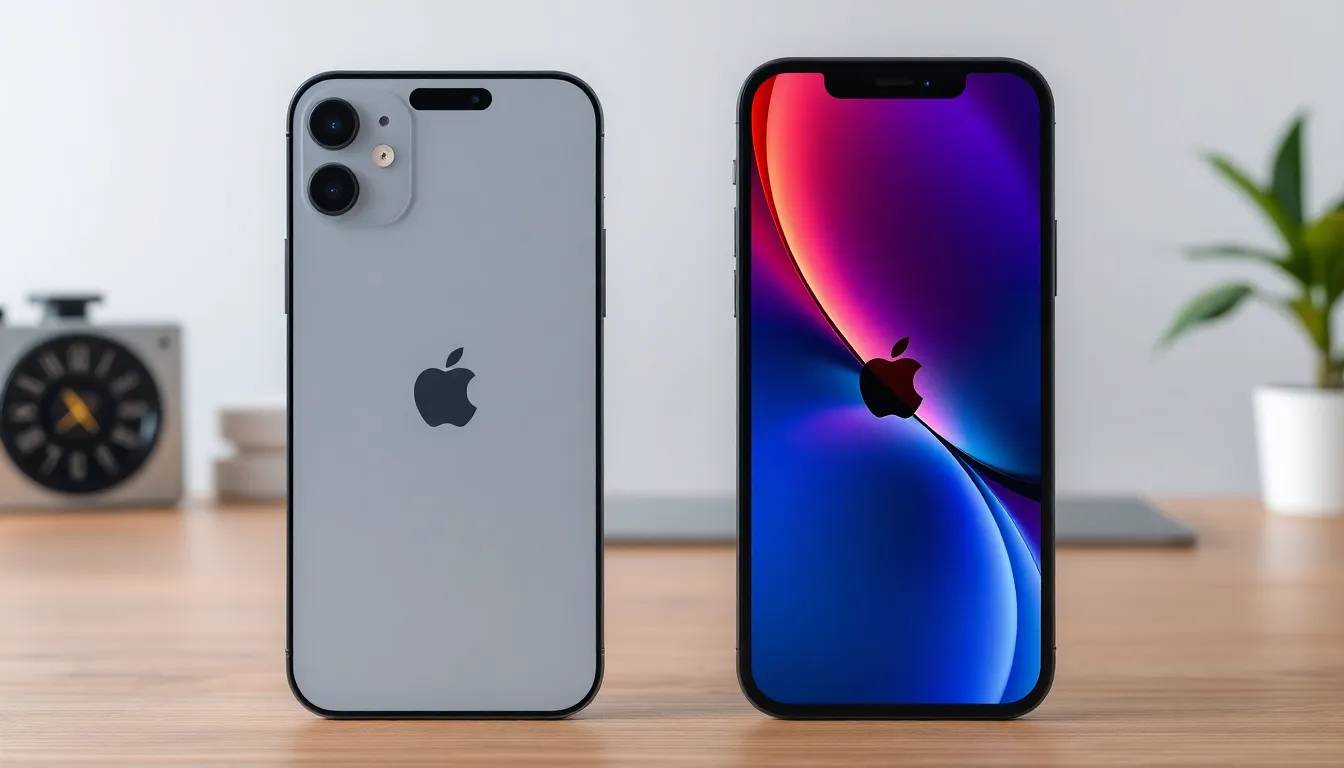
Design specifications for the iPhone 12 and iPhone 13 highlight notable similarities and minor differences. Both smartphones offer sleek aesthetics and remarkable performance.
Dimensions Comparison
iPhone 12 has dimensions measuring 5.78 inches in height, 2.82 inches in width, and 0.29 inches in thickness. In contrast, iPhone 13 features a height of 6.1 inches, width of 2.53 inches, and thickness of 0.30 inches. These measurements indicate that the iPhone 13 is slightly taller and thicker, though both devices sport a 6.1-inch Super Retina XDR display. Viewing experiences remain consistent across both models despite their minor dimensional variations. Understanding these specific dimensions informs potential buyers when choosing between the two models.
Weight Differences
Weight also differentiates the iPhone 12 from the iPhone 13. The iPhone 12 weighs approximately 164 grams, reflecting its lightweight design. Meanwhile, the iPhone 13 weighs around 173 grams, which correlates with its enhanced battery capacity. Increased battery size in the iPhone 13 contributes to improved battery life, making it a consideration for users prioritizing longevity. Recognizing weight differences aids buyers in assessing comfort and usability for daily tasks.
Display Features
Both the iPhone 12 and iPhone 13 feature impressive display capabilities. Each model incorporates a 6.1-inch Super Retina XDR display. The resolution for both devices stands at 2532 x 1170 pixels, resulting in vibrant visuals. Users can expect exceptional color accuracy and clarity.
Screen Size and Resolution
The screen size remains consistent between the iPhone 12 and iPhone 13. At 6.1 inches, both models ensure a spacious viewing experience. Resolution also adapts similarly, delivering sharp images and text. The contrast ratio of 2 million to 1 enhances the overall display quality. Viewing content, whether videos or photos, offers an immersive experience on either device.
Display Technology
OLED technology powers the displays on both models. This example guarantees deeper blacks and brighter colors. Apple employs an industry-leading brightness of 800 nits for normal use and peaks at 1200 nits for HDR content. Users benefit from true-to-life images and enhanced contrast. Both phones support Wide Color (P3) for broader color ranges, further improving the visual experience. Display specifications differentiate them slightly in user experience, although both provide outstanding quality.
Physical Comparisons
Both the iPhone 12 and iPhone 13 share similar dimensions but differ slightly in design features and layouts that enhance user experience. Understanding these nuances helps potential buyers make informed choices.
Button Layout and Positioning
Button layouts on the iPhone 12 and iPhone 13 largely remain consistent. Both models feature volume control buttons located on the left side and a mute switch just above those buttons. The power button appears on the right side of the devices in a familiar position. Additionally, similarities exist in the placement of the SIM card tray, positioned just below the power button. While the overall look is quite similar, users might note minor adjustments in tactile feedback due to design enhancements in the iPhone 13.
Port and Speaker Configuration
Both iPhone models include a Lightning port located at the bottom for charging and data transfer. Speaker grille placements also match, situated on either side of the Lightning port. The iPhone 13, however, features altered speaker configurations, providing enhanced audio quality. Despite overall similarities, potential buyers should consider the slight differences in audio performance, particularly if sound quality is crucial in their purchasing decision. These configurations ensure an efficient experience for both media consumption and connectivity.
User Experience Impact
User experience with the iPhone 12 and iPhone 13 should reflect the subtle differences in size and design. Both models maintain a similar feel, yet specific enhancements in the iPhone 13 improve daily usage. Users might prefer the slightly thicker profile of the iPhone 13, which contributes to better grip during one-handed use.
Weight variations between the two devices also affect how they handle. Weighing 173 grams, the iPhone 13 feels more substantial compared to the iPhone 12’s 164 grams. Some may appreciate this added weight as it adds a sense of durability.
Tactile feedback from button presses offers another point of distinction. The button layouts remain unchanged, allowing users to transition easily between models. Minor adjustments in feedback on the iPhone 13 lead to a more responsive feel when users adjust volume or power.
In terms of audio quality, the iPhone 13’s updated speaker configurations provide richer sound. Users listening to music or streaming videos benefit from improved audio fidelity, enhancing overall media consumption. Those prioritizing audio performance may find the iPhone 13 a more attractive choice.
Display capabilities remain identical, ensuring consistent visual experiences across both models. The 6.1-inch Super Retina XDR display delivers exceptional clarity regardless of the device. Users can expect vibrant images and deep contrasts, making both options visually appealing.
Understanding these nuances in user experience can significantly influence purchasing decisions. Each model provides distinct advantages that cater to varying preferences and priorities among potential buyers.
When comparing the iPhone 12 and iPhone 13 it’s clear that while their sizes are similar there are subtle differences that can impact user experience. The iPhone 13’s slightly larger dimensions and enhanced weight contribute to a more durable feel and improved grip. Additionally the advancements in audio quality and tactile feedback make it a noteworthy upgrade for many users.
Both models deliver exceptional display capabilities ensuring vibrant visuals and immersive experiences. Ultimately understanding these distinctions helps potential buyers choose the model that best fits their needs and preferences. Whether prioritizing battery life design or audio performance recognizing these factors is essential for making an informed decision.