
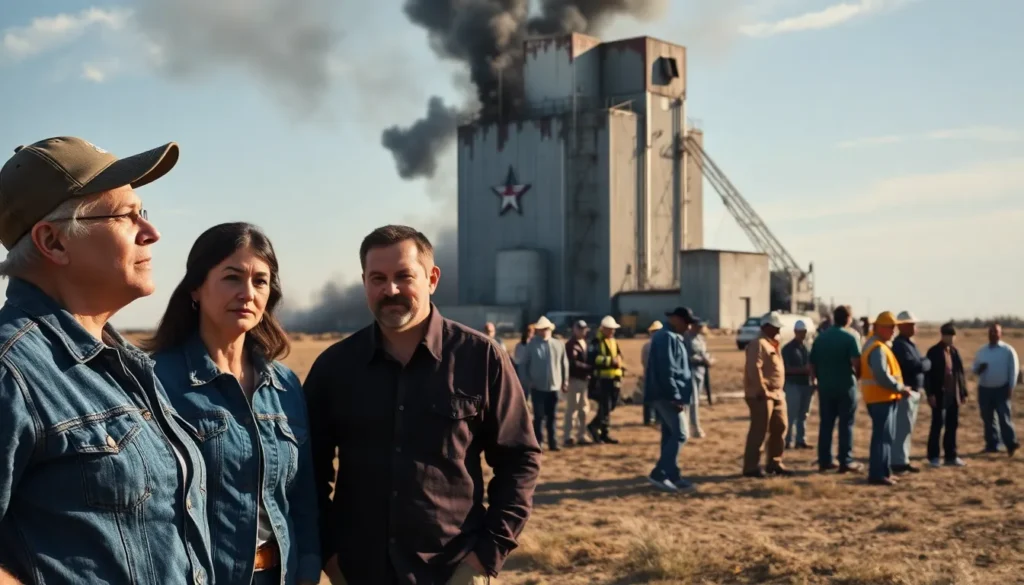
In a small Texas town, the quiet hum of daily life was shattered by an unexpected explosion at the local grain elevator. Sunray, known for its friendly folks and vast fields, suddenly found itself in the spotlight for all the wrong reasons. But don’t worry, this isn’t just another tale of disaster; it’s a story that combines resilience, community spirit, and a dash of Texas-sized humor.
As the dust settled, residents banded together, proving that even in the face of chaos, they could find laughter amid the ashes. This incident not only raised eyebrows but also sparked conversations about safety and preparedness. So, buckle up as we dive into the details of this explosive event and explore how Sunray turned a potentially devastating situation into a testament of strength and unity.
Overview of Grain Elevator Explosions
Grain elevator explosions pose significant risks due to the highly combustible dust generated during storage and handling. Dust accumulates in these facilities, creating an explosive environment under specific conditions. Several explosions have occurred throughout U.S. history, resulting in numerous casualties and extensive property damage.
Factors contributing to these incidents often include equipment malfunctions, inadequate ventilation, and lack of proper maintenance. Explosive incidents can unfold rapidly, leading to fires that threaten lives and structures. Implementing appropriate safety measures plays a crucial role in preventing such events.
Regulations outline safety protocols that grain elevator operators must follow. Regular inspections and employee training improve the chances of identifying hazards before they escalate. United States statistics indicate that between 2010 and 2020, grain dust explosions caused over 20 fatalities and numerous injuries.
Community preparation becomes vital in areas with grain elevators, ensuring that residents understand evacuation routes and emergency procedures. Awareness initiatives promote safe practices among workers, significantly reducing risks associated with grain handling. Preparing for potential explosions remains essential for safeguarding lives and properties in towns like Sunray, where recent incidents have heightened concerns.
Operations at grain elevators require strict adherence to safety guidelines. Maintenance of machinery and proper storage reduces dust concentration levels, lowering explosion risks. Local authorities often collaborate with operators to enhance safety preparedness and response to emergencies.
Overall, grain elevator explosions highlight the need for constant vigilance and adherence to safety protocols. With proper measures and community awareness, the frequency and severity of these events can be minimized significantly.
Case Study: Grain Elevator Explosion in Sunray TX
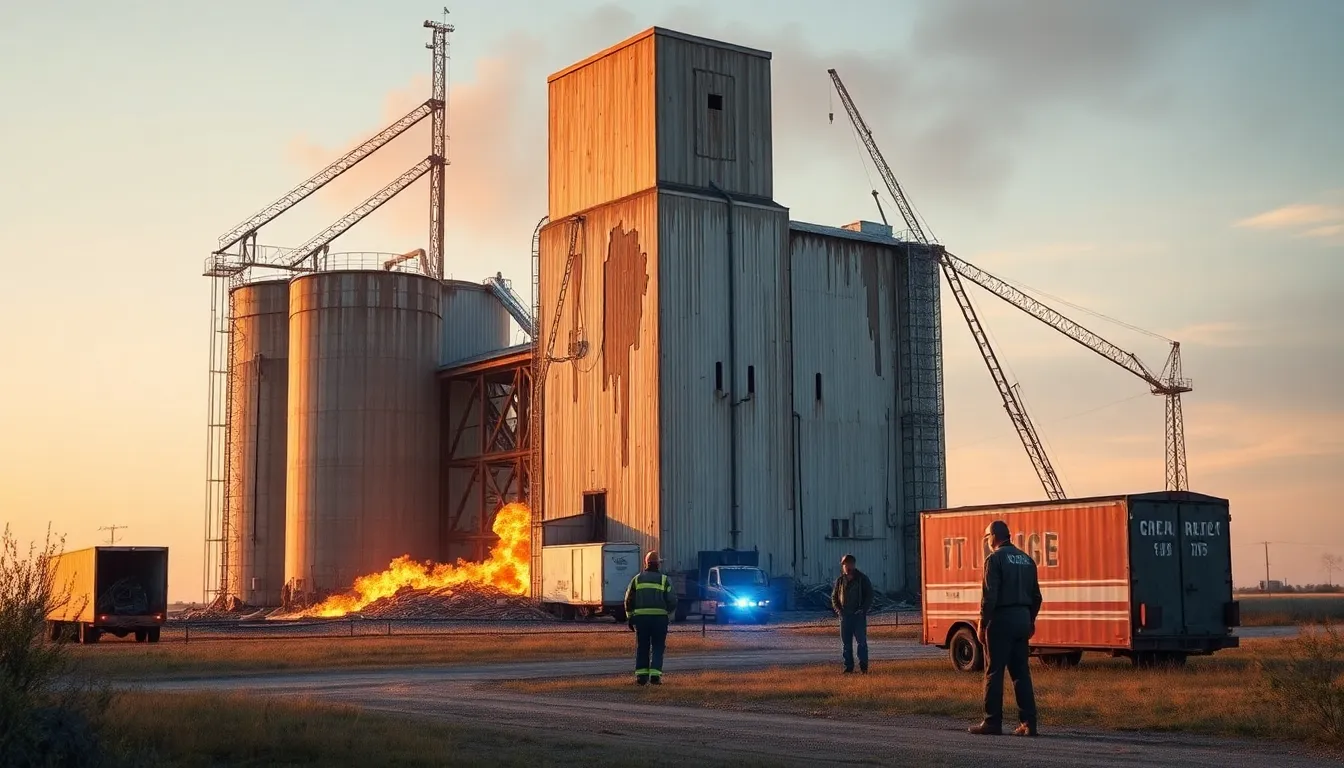
The grain elevator explosion in Sunray, Texas, shocked the local community and emphasized the importance of safety. Understanding the timeline and causes of such incidents reveals critical insights into prevention.
Timeline of Events
On May 10, 2023, the explosion at the grain elevator occurred around 2:30 PM. First responders arrived within minutes, assessing the damage and initiating rescue efforts. By 3:00 PM, multiple agencies, including the Dumas Fire Department, joined the scene to support rescue efforts. Investigators began assessing the cause just hours after the explosion, aiming to gather evidence. The community, facing fear and uncertainty, organized support by 5:00 PM. As news spread, local officials held a press conference on May 11 to provide updates. They reassured residents that the community would recover.
Causes of the Explosion
Several factors contributed to the explosion at the grain elevator. Combustible dust accumulation served as a primary catalyst, a common risk in grain handling facilities. Inadequate ventilation systems failed to prevent dust buildup, exacerbating the situation. During inspections, technicians noted faulty equipment, which likely triggered sparks. Investigators also highlighted worker safety training gaps, emphasizing the need for regular drills. The combination of these elements illustrates the potential dangers present in grain elevators. Awareness of these hazards remains essential for preventing similar incidents in the future.
Impact on the Community
The explosion at the grain elevator significantly affected the Sunray community. Residents experienced heightened anxiety in response to the disaster.
Human Impact
People faced emotional distress following the explosion. Many community members had close ties to workers involved in the incident. Local support groups emerged to assist families coping with trauma. Counselors offered services to help individuals process their feelings of fear and loss. The sense of camaraderie strengthened, showcasing the community’s resilience during challenging times. Neighbors looked out for one another, reflecting the importance of emotional connections in recovery.
Economic Consequences
Economic effects from the explosion became apparent soon after the event. The grain elevator served as a vital employer in Sunray, providing jobs for numerous residents. Disruptions in operations led to immediate unemployment concerns for affected families. The local agricultural market faced impacts from reduced grain supply, creating uncertainty among farmers. Businesses that relied on the elevator saw declines in customers, further straining the local economy. Community leaders began discussing plans for recovery, emphasizing the need for rebuilding and reassessing safety measures to prevent future incidents.
Safety Regulations and Preventive Measures
Safety regulations play a crucial role in preventing grain elevator explosions. Implementing stringent guidelines helps mitigate the risks associated with combustible dust. The Occupational Safety and Health Administration (OSHA) sets standards regarding dust accumulation limits, ventilation requirements, and worker training protocols.
In addition, regular maintenance of equipment ensures functional safety. Damaged machinery significantly increases the likelihood of explosions. Operators must conduct routine inspections and address any malfunctions immediately.
Worker training focuses on emergency response and safety procedures, significantly enhancing safety awareness. Training programs should cover recognizing hazardous conditions, proper handling of materials, and using personal protective equipment effectively. Regular drills reinforce this knowledge, ensuring preparedness in case of an incident.
Moreover, grain elevator design must incorporate safety features such as explosion vents. These engineering controls help direct blasts outward, minimizing damage and injury during an incident. Installing dust collection systems reduces dust levels, further lowering explosion risks.
Testing air quality and monitoring dust concentrations remain essential practices. Continuous air monitoring detects any hazardous changes, allowing for timely interventions. These proactive measures can prevent dangerous situations from escalating.
Community engagement also plays a pivotal role in safety culture. Collaborating with local agencies fosters a unified approach to safety and preparedness. Information sharing and workshops strengthen community ties and improve overall safety knowledge among residents.
Effective safety regulations and preventive measures reduce the likelihood of future explosions. Prioritizing these strategies ensures not only the protection of workers but also the well-being of the entire community. Owning this responsibility reflects the resilience of the Sunray community in the face of adversity.
Lessons Learned from Sunray TX
The Sunray explosion serves as a stark reminder of the dangers associated with grain storage facilities. Firstly, it highlights the critical importance of adhering to safety regulations set by the Occupational Safety and Health Administration (OSHA). These regulations help mitigate risks related to dust accumulation, ventilation, and worker training protocols.
Community engagement plays a vital role in fostering a culture of safety. Regular safety drills and proactive communication ensure everyone understands emergency procedures, enhancing community preparedness. Investigators identified significant causes of the explosion. Combustible dust accumulation, inadequate ventilation, and faulty equipment emerged as key factors. Each of these aspects warrants continuous monitoring.
Local businesses and farmers experienced severe economic disruptions following the blast. Addressing the economic impact is crucial for recovery. Therefore, community leaders are discussing strategies that include rebuilding plans and enhanced safety measures.
Training workers effectively is another lesson learned. Continuous education on emergency response and proper handling of materials can prevent tragedies like this in the future.
Emotional support within the community emerged as essential. As families coped with trauma, local support groups and counseling services provided much-needed assistance. The bonds formed during this crisis showcase the strength and resilience of the Sunray community.
Finally, ongoing air quality testing and dust monitoring can play a preventive role. By prioritizing these strategies, the Sunray community can enhance safety and minimize future risks associated with grain elevators.
The grain elevator explosion in Sunray serves as a stark reminder of the inherent risks in agricultural operations. However the community’s response showcases remarkable resilience and unity in the face of adversity. As residents come together to support one another the importance of safety regulations and preventive measures becomes even more evident.
This incident has sparked vital conversations about safety protocols and the need for ongoing community engagement. By prioritizing emotional support and implementing effective safety strategies the Sunray community is not just recovering but also building a stronger foundation for the future. The lessons learned here will resonate beyond Sunray as other communities reflect on the critical need for vigilance in grain handling practices.