

In today’s fast-paced digital world, home network automation is transforming how people manage their connected devices. From smart thermostats to security cameras, automating these systems not only enhances convenience but also boosts energy efficiency and security. Imagine controlling your entire home network with just a few taps on your smartphone or voice commands.
As technology continues to evolve, more homeowners are embracing the benefits of a fully automated network. This shift allows for seamless communication between devices, creating a more integrated living experience. Whether it’s scheduling lights to turn on at sunset or monitoring energy usage in real-time, home network automation is paving the way for smarter homes that adapt to their owners’ needs.
Overview of Home Network Automation
Home network automation simplifies control over various connected devices. It integrates smart technologies, allowing users to manage functions remotely and efficiently. This integration fosters a seamless network, enhancing interactions between devices such as smart bulbs, locks, and appliances.
Automation offers numerous advantages. Increased convenience allows users to operate multiple devices from a single interface, often via smartphones or voice commands. Improved energy efficiency stems from automated scheduling of devices, reducing unnecessary power consumption. Enhanced security measures enable real-time monitoring of security systems and alerts for unauthorized access.
Typical applications of home network automation include:
- Lighting Control: Users can schedule and adjust lighting based on preference or occupancy.
- Temperature Regulation: Thermostats can automatically adjust settings based on time or occupancy, promoting energy savings.
- Security Monitoring: Cameras and sensors provide real-time updates, improving home security and awareness.
As technology continues to evolve, adoption rates of home network automation systems increase. Homeowners increasingly seek customized solutions that enhance their living environments, promoting comfort and safety.
Benefits of Home Network Automation
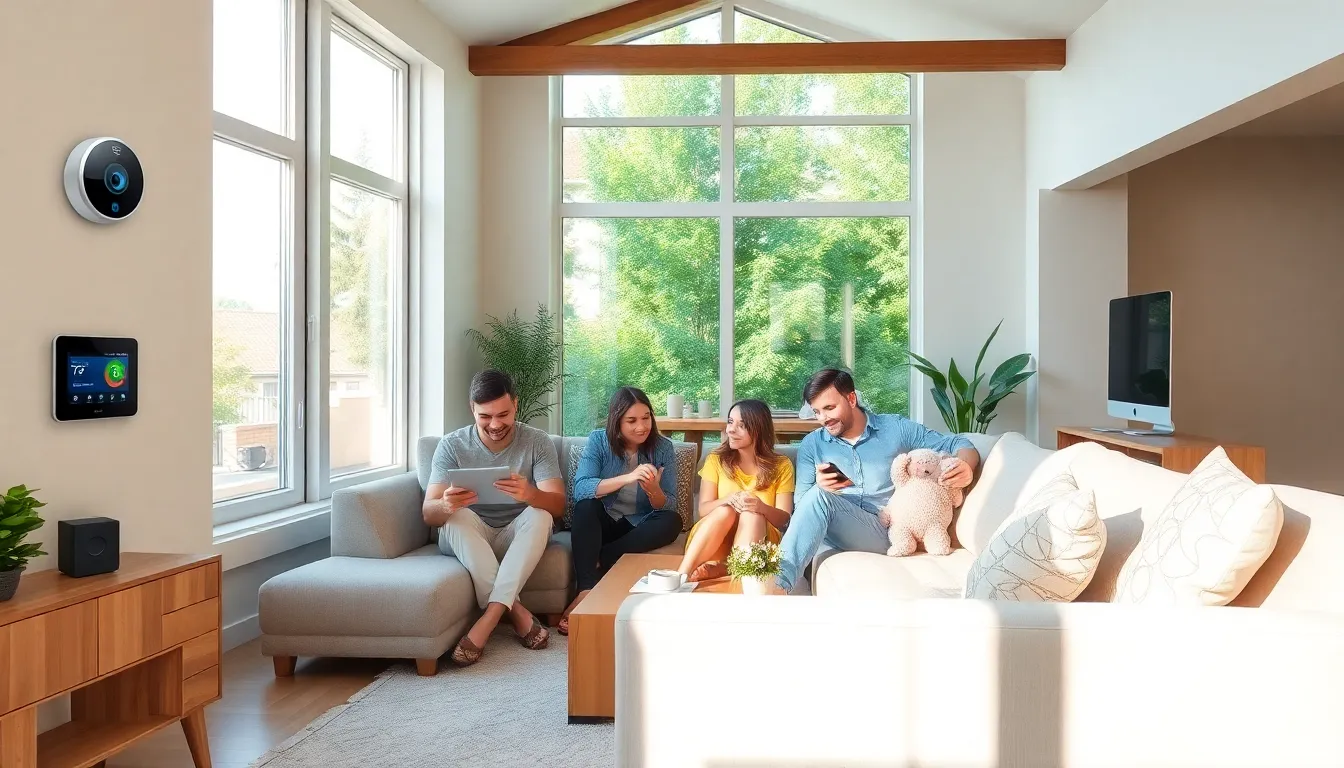
Home network automation offers significant advantages, enhancing the way individuals interact with their living spaces. Two key benefits include improved security and enhanced convenience.
Improved Security
Home network automation strengthens security by integrating various smart devices. Security cameras, motion detectors, and smart locks work together to create a comprehensive defense system. Automated alerts notify homeowners of any unusual activity in real time, allowing immediate responses. This interconnectedness enables remote monitoring through mobile applications, ensuring constant surveillance, even when homeowners are away. Studies show that residences equipped with automated security systems experience up to a 300% increase in burglary deterrence compared to traditional homes.
Enhanced Convenience
Home network automation simplifies everyday tasks by streamlining device management. Homeowners control various devices, such as lights, thermostats, and entertainment systems, from a single interface. Automated schedules allow devices to operate efficiently based on personal habits, reducing manual adjustments. Features like voice control and mobile access further enhance the user experience, promoting ease of use. Statistics indicate that over 60% of users report increased satisfaction due to the convenience and efficiency gained through home automation systems.
Key Components of Home Network Automation
Home network automation relies on several key components that ensure seamless control and efficiency of connected devices. Understanding these components helps homeowners make informed decisions about their automated systems.
Smart Devices
Smart devices serve as the backbone of home network automation. These devices include:
- Smart Thermostats: These allow for remote temperature control and scheduling, enhancing energy efficiency.
- Smart Lights: They enable users to customize lighting schedules and moods, contributing to convenience and ambiance.
- Smart Security Cameras: These devices provide real-time monitoring and alerts, increasing home security.
- Smart Door Locks: They allow for keyless entry and remote locking/unlocking, enhancing safety and accessibility.
- Smart Appliances: Appliances, such as refrigerators and washing machines, can be programmed for optimal operational times, resulting in energy savings.
These smart devices communicate with each other and can be controlled via mobile applications or voice assistants, making management easy and efficient.
Network Infrastructure
Network infrastructure is crucial for effective home network automation. Key components include:
- Router: The central hub that connects all smart devices to the internet and each other, ensuring reliable communication.
- Switches: These devices expand connectivity options in the home, allowing multiple devices to connect to the network.
- Access Points: These extend network coverage, ensuring all areas of the home receive strong Wi-Fi signals, particularly in larger spaces.
- Cables: Ethernet cables provide stable, high-speed connections between devices, reducing latency and improving performance.
- Mesh Networking Systems: These systems enhance coverage and provide seamless connectivity throughout the home by using multiple nodes.
A robust network infrastructure guarantees smooth interactions among devices, enabling automation systems to work efficiently and effectively.
Challenges in Implementing Home Network Automation
Home network automation presents several challenges that can hinder successful implementation. Addressing these obstacles effectively is crucial for homeowners looking to enhance their living environments.
Compatibility Issues
Compatibility issues arise when integrating various smart devices from different manufacturers. Not every device supports the same communication protocols, potentially leading to connectivity problems. Homeowners often find that certain brands do not seamlessly connect with others, creating fragmented systems. Additionally, software updates and system upgrades can cause devices to lose compatibility, requiring users to frequently monitor their setups and possibly invest in new equipment. Research indicates that 40% of home automation installers encounter compatibility issues during projects, complicating the overall user experience.
Initial Setup Complexity
Initial setup complexity poses a significant barrier to many homeowners. Configuring multiple devices to work together requires technical knowledge, which may not be readily available to all users. Some devices necessitate specific applications, account setups, or configurations that can be time-consuming and confusing. In fact, studies show that 70% of users cite setup difficulties as a primary challenge in adopting home automation systems. Simplifying the installation process with user-friendly interfaces and clear instructions can greatly enhance the initial experience and promote wider adoption.
Future Trends in Home Network Automation
Home network automation is poised for rapid evolution, with several trends shaping its future landscape.
- Increased Adoption of AI
AI integration will enhance automation capabilities. Smart devices will learn user preferences, resulting in adaptive environments that respond intuitively to individual needs.
- Expanded Interoperability
Standardization across platforms and devices will improve compatibility. Homeowners will benefit from seamless integration, enabling diverse devices to function cohesively, regardless of the manufacturer.
- Rise of Voice Control
Voice-enabled devices will dominate the market. Home automation systems integrated with virtual assistants will simplify user interactions, allowing homeowners to manage connected devices effortlessly using voice commands.
- Enhanced Security Features
Advanced security protocols will strengthen home network protection. Systems equipped with facial recognition and behavior analytics will offer increased safety, proactively addressing potential threats.
- Greater Focus on Energy Efficiency
Sustainable practices will drive product development. Home automation solutions will include features designed to monitor and optimize energy usage, aligning with eco-friendly lifestyles and helping homeowners reduce utility costs.
- Integration of IoT Devices
The Internet of Things (IoT) will expand significantly. More devices, including household appliances and wearable technology, will connect to home networks, creating a comprehensive ecosystem that enhances user convenience.
- Improvement in User Experience
User-centered design will focus on simplifying interactions. Intuitive interfaces and mobile applications will make managing smart home systems more accessible, encouraging wider adoption.
- Smart Health Monitoring
Home network automation will extend into health monitoring. Devices that track health metrics and alert users of significant changes will promote wellness and enable proactive healthcare management.
Emerging trends indicate a brighter, more connected future for home network automation. Homeowners will enjoy improved convenience, security, and energy savings as technology advances.
Home network automation is revolutionizing the way homeowners interact with their living spaces. By integrating smart devices and enhancing connectivity, it brings unparalleled convenience and security to everyday life. As technology continues to evolve, the potential for even smarter homes grows, promising increased energy efficiency and improved user experiences.
Future advancements in AI and interoperability will further streamline automation systems, making them more accessible and user-friendly. With a focus on security and sustainability, homeowners can look forward to a connected environment that not only meets their individual needs but also enhances their overall quality of life. Embracing home network automation is no longer just an option; it’s becoming an essential aspect of modern living.