
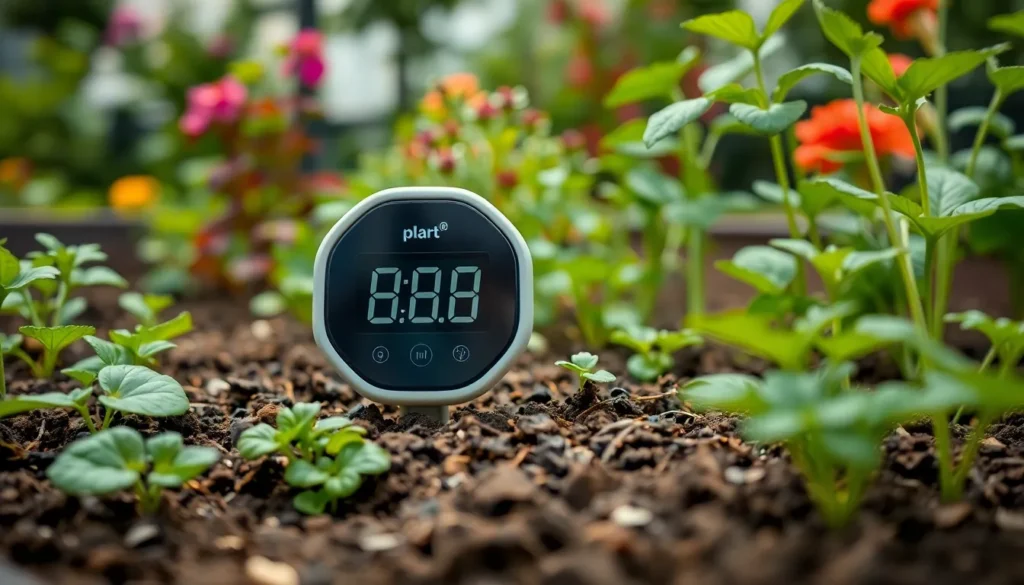
In an era where technology meets nature, smart plant sensors are revolutionizing how we care for our green companions. These innovative devices provide real-time data on soil moisture, light levels, and temperature, enabling plant lovers and professionals alike to optimize their growing conditions. Gone are the days of guesswork; with smart sensors, anyone can cultivate thriving plants with ease.
As urban gardening and indoor plants gain popularity, smart plant sensors are becoming essential tools for success. They not only enhance plant health but also contribute to sustainable practices by reducing water waste and promoting efficient resource use. Embracing this technology opens up a world of possibilities for both novice gardeners and seasoned horticulturists.
Overview of Smart Plant Sensors
Smart plant sensors are innovative devices designed to monitor and collect vital data for plant care. These sensors measure parameters such as soil moisture, light intensity, temperature, and humidity. By providing accurate, real-time information, smart sensors eliminate guesswork in plant maintenance.
Key Features
- Soil Moisture Detection: Sensors assess moisture levels, ensuring optimal watering practices and minimizing water waste.
- Light Level Monitoring: Devices track light exposure, helping gardeners determine the best placement for their plants based on species requirements.
- Temperature Measurement: Sensors provide temperature readings, allowing gardeners to react to environmental changes and maintain ideal conditions for plant growth.
- User-Friendly Interfaces: Many smart plant sensors offer mobile app integration, enabling users to access data conveniently from their smartphones.
Benefits of Implementation
Smart plant sensors contribute to healthier plant growth. They promote efficient water usage, crucial in urban gardening scenarios where resources are limited. Additionally, these devices help optimize energy consumption through precise light and temperature management. Users can improve their gardening outcomes, regardless of experience level, by leveraging the insights provided by smart plant sensors.
Environmental Impact
The adoption of smart plant sensors supports sustainable gardening practices. By reducing excess water use and enhancing resource management, these sensors play a significant role in promoting environmental stewardship. Their integration into gardening routines can result in more productive ecosystems within urban settings.
Benefits of Using Smart Plant Sensors
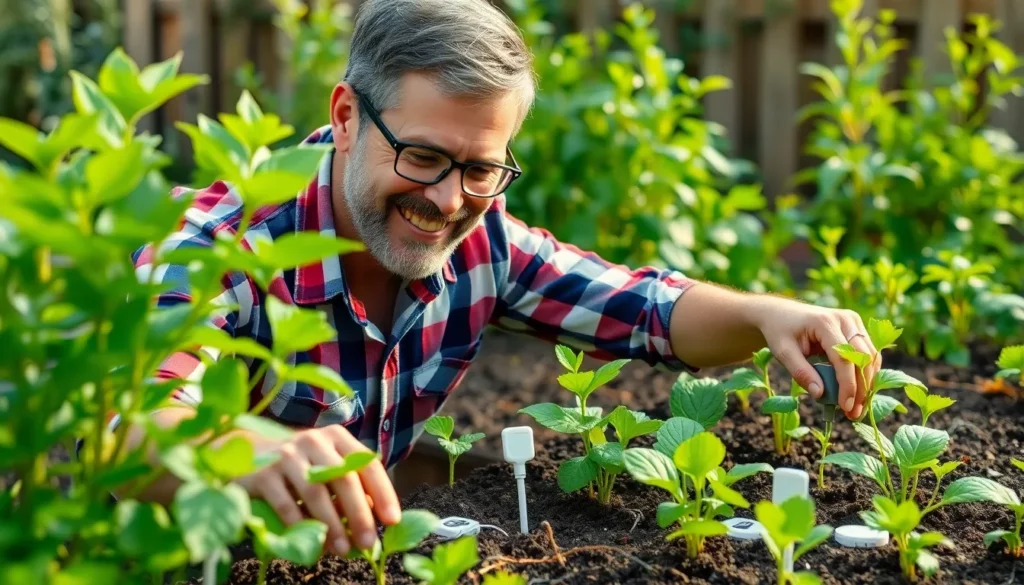
Smart plant sensors enhance gardening through efficient monitoring and resource management. These devices deliver precise insights, fostering optimal growth for plants while promoting sustainable practices.
Improved Plant Health Monitoring
Improved health monitoring through smart plant sensors allows users to access real-time data about soil and environmental conditions. Sensors track critical factors like soil moisture, temperature, and light exposure, providing timely notifications when plants require attention. Monitoring prevents overwatering and underwatering, reducing plant stress. Furthermore, consistent tracking leads to healthier root systems and better overall plant vigor.
Water Conservation and Efficiency
Water conservation gains importance in gardening, and smart plant sensors play a vital role in enhancing efficiency. These sensors ensure precise irrigation based on actual soil moisture levels instead of relying on generalized schedules. This targeted approach minimizes water waste, allowing gardeners to use only what’s necessary for optimal growth. As a result, these sensors not only promote sustainability but also significantly reduce water bills for consumers engaged in gardening.
Types of Smart Plant Sensors
Smart plant sensors encompass various types, each designed to monitor specific environmental conditions vital for plant health. These devices contribute to enhanced gardening practices by providing accurate, real-time data.
Soil Moisture Sensors
Soil moisture sensors assess the moisture levels in the soil. By measuring electrical conductivity, they determine when to activate irrigation systems. These sensors prevent overwatering and underwatering, promoting healthier root systems. Available models connect to mobile apps, enabling users to receive notifications on moisture status and adjust watering schedules accordingly.
Light Sensors
Light sensors gauge the light intensity received by plants. They measure both natural sunlight and artificial light levels, ensuring plants receive optimal illumination for photosynthesis. These sensors help gardeners understand the light requirements of their plants, facilitating proper placement and reducing stress on the plants caused by insufficient or excessive light exposure.
Temperature and Humidity Sensors
Temperature and humidity sensors track ambient temperature and moisture levels in the air. These factors greatly influence plant growth and health. By monitoring real-time data, these sensors enable gardeners to create suitable microclimates for specific plants. Additionally, they can alert users to any drastic changes in conditions, allowing for timely adjustments to protect plants from potential stressors like frost or excessive heat.
Integration with Technology
Smart plant sensors integrate seamlessly with various technologies, enhancing the user experience and improving gardening efficiency. Their connectivity features and data analysis capabilities play a crucial role in achieving optimal plant health.
Connectivity Features
Smart plant sensors often include Wi-Fi, Bluetooth, or Zigbee connectivity, allowing users to access real-time data from anywhere. Sensors connect to mobile apps or web platforms, facilitating remote monitoring and control. Examples of connectivity options include:
- Wi-Fi connections enable continuous data transmission to cloud services, ensuring up-to-date information availability.
- Bluetooth functionality allows for quick, low-energy communication between sensors and smartphones for local data access.
- Zigbee networks support multiple sensors on a shared platform, enhancing communication across various devices in larger garden areas.
These connectivity features provide flexibility, making it possible for users to manage their plants efficiently from any location.
Data Analysis and User Interfaces
Smart plant sensors employ advanced data analytics to convert raw environmental measurements into actionable insights. User-friendly interfaces allow gardeners to interpret this data easily. Key aspects include:
- Real-time monitoring provides instant feedback on soil moisture, light levels, temperature, and humidity, helping users adapt their care routines promptly.
- Historical data tracking reveals long-term trends, helping gardeners understand patterns in plant needs and adjust strategies accordingly.
- Mobile app integration offers visualizations and notifications, ensuring users remain informed about their plants’ conditions and receiving timely alerts for necessary actions.
This combination of data analysis and intuitive interfaces enhances the overall gardening experience, empowering users to make informed decisions that promote healthier plants.
Challenges in Implementation
Smart plant sensors face several challenges during implementation, which may hinder widespread adoption among users. Understanding these obstacles helps address potential issues and promotes effective integration into gardening practices.
Cost Considerations
Cost plays a significant role in the adoption of smart plant sensors. Initial investment can be high due to the purchase of hardware and installation expenses. For example, basic soil moisture sensors range from $20 to $100, while advanced systems with multiple features and smart connectivity may exceed $200. While these devices often lead to long-term savings through reduced water usage and healthier plants, upfront costs can deter budget-conscious gardeners. Additionally, ongoing costs, such as subscription fees for premium app features or cloud data storage, may impact overall affordability.
User Adoption Barriers
User adoption barriers present another challenge in implementing smart plant sensors. Many potential users lack familiarity with technology, which can lead to resistance in adopting these devices. Gardeners unfamiliar with smartphone applications or data analytics may struggle to interpret sensor data effectively. Furthermore, the perceived complexity of installation and maintenance can discourage users from integrating smart sensors into their gardening routines. Supporting educational initiatives, such as tutorials and workshops, can help demystify the technology and inspire more gardeners to embrace these advancements.
Smart plant sensors are revolutionizing the gardening landscape by providing critical data that enhances plant care. With their ability to monitor soil moisture, light, temperature, and humidity, these devices empower gardeners to make informed decisions that promote plant health and sustainability.
As urban gardening continues to rise, the integration of technology into gardening practices becomes increasingly essential. The benefits of these sensors extend beyond mere convenience; they support efficient resource management and contribute to environmental conservation.
By embracing smart plant sensors, gardeners can cultivate thriving plants while minimizing waste and optimizing care strategies. This innovative approach not only fosters healthier gardens but also encourages a commitment to sustainable practices in the ever-evolving world of gardening.


