
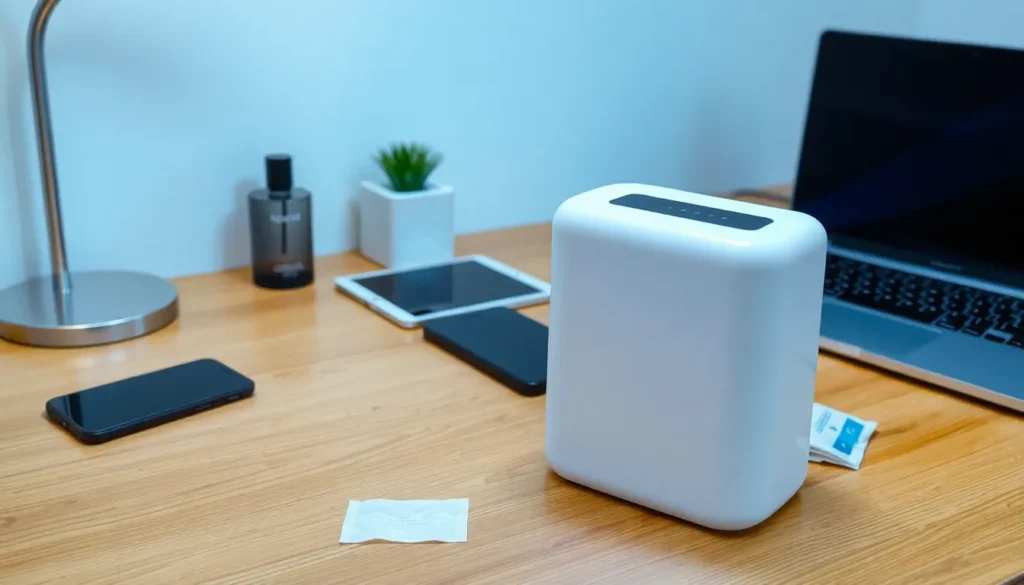
In today’s tech-driven world, keeping devices clean is more crucial than ever. With smartphones, tablets, and laptops becoming essential parts of daily life, the surfaces they touch can harbor harmful germs and bacteria. Device sanitizers have emerged as a practical solution to this growing concern, offering a quick and effective way to maintain hygiene without damaging electronics.
These sanitizing devices use various technologies, from UV light to chemical solutions, ensuring that users can enjoy peace of mind while using their gadgets. As awareness of health and safety increases, understanding the benefits and types of device sanitizers becomes essential for anyone looking to protect their health in this digital age.
Overview of Device Sanitizers
Device sanitizers play a crucial role in maintaining cleanliness in the digital age. These tools effectively eliminate harmful microorganisms from electronic surfaces, ensuring better hygiene for users.
Types of Device Sanitizers
- UV-C Light Sanitizers
UV-C light sanitizers utilize ultraviolet light to kill bacteria and viruses. They require minimal setup and often disinfect devices in minutes.
- Chemical Sanitizers
Chemical sanitizers employ alcohol-based solutions or disinfectant wipes to clean device surfaces. They’re effective against a broad spectrum of pathogens.
- Steam Sanitizers
Steam sanitizers use high-temperature steam to eradicate germs. They work well on various surfaces but might not suit all electronic devices.
- Ultrasonic Cleaners
Ultrasonic cleaners use sound waves to create microscopic bubbles in water or cleaning solution, dislodging dirt and bacteria from devices in a gentle manner.
Benefits of Using Device Sanitizers
- Improved Health
Regular sanitation reduces the risk of illness caused by germs, providing a healthier environment.
- Enhanced Device Longevity
Clean devices often perform better and have longer lifespans, as they’re less prone to overheating due to dust and grime buildup.
- Ease of Use
Most sanitizers are user-friendly, allowing individuals to maintain device hygiene effortlessly.
- Versatility
Many device sanitizers accommodate various electronics, including phones, tablets, and laptops.
Proper Usage Guidelines
- Cleaning Frequency
Regular cleaning, particularly during flu seasons or outbreaks, is essential for effective sanitation.
- Surface Preparation
Before sanitizing, remove cases and ensure surfaces are free of debris for optimal disinfection.
- Method-specific Instructions
Follow the manufacturer’s guidelines for each type of sanitizer to achieve the best results while ensuring device safety.
Importance of Device Sanitizers
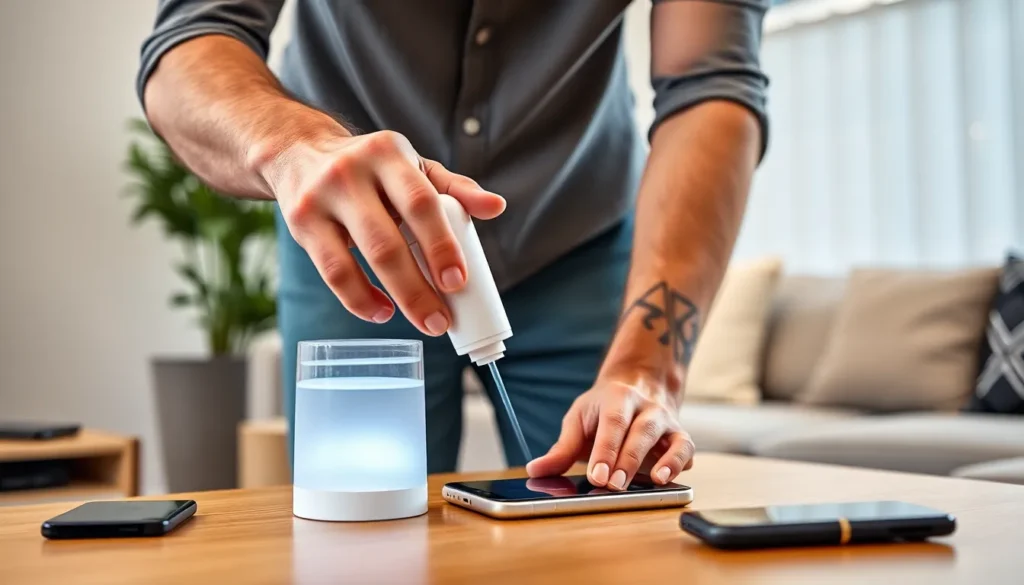
Device sanitizers play a vital role in ensuring hygiene and safety in an increasingly tech-centric world. They minimize the risk of illness by effectively eliminating harmful microorganisms on frequently touched surfaces.
Health Concerns
Health concerns arise from the presence of germs and bacteria on electronic devices. Studies indicate that smartphones can carry 10 to 18 times more bacteria than a toilet seat. Common pathogens, including influenza and E. coli, thrive on device surfaces. Regular use of device sanitizers can significantly reduce these health risks, promoting a safer environment for users.
Usage in Different Environments
Device sanitizers find application in various environments, enhancing cleanliness in personal and professional settings.
- Home: Regular sanitation of personal devices, such as tablets and laptops, prevents the spread of pathogens among family members.
- Offices: In shared workplaces, sanitizers help maintain hygiene among common-use devices, like conference room phones and shared laptops.
- Healthcare: Hospitals and clinics utilize device sanitizers to ensure that medical equipment remains free from contaminants, reducing the risk of hospital-acquired infections.
- Public Spaces: Schools, libraries, and cafes benefit from sanitizers, keeping devices clean in high-traffic areas where multiple users interact with electronic surfaces.
Types of Device Sanitizers
Device sanitizers vary in technology and application, providing options for effective cleaning of electronic surfaces. Each type offers distinct methods for eliminating harmful microorganisms.
UV-C Light Sanitizers
UV-C light sanitizers use ultraviolet light to disinfect surfaces. This technology targets and destroys the DNA of bacteria and viruses, rendering them inactive. Many models are portable, enabling users to sanitize devices like smartphones and tablets quickly. Most UV-C sanitizers require the device to remain in the chamber for a specific duration, typically ranging from 5 to 10 minutes, to ensure thorough sanitation.
Chemical Sanitizers
Chemical sanitizers utilize alcohol-based solutions or disinfectant sprays to clean surfaces. These products are effective against a wide range of microorganisms, including viruses and bacteria. Users must apply the solution to a cloth or directly on the surface and allow it to sit for a specified time, usually between 30 seconds and 10 minutes, for optimal effectiveness. It’s essential to verify that the chemical solutions are safe for electronic devices to prevent surface damage.
Wipes and Sprays
Wipes and sprays offer a convenient option for quick disinfection of device surfaces. Pre-saturated wipes contain disinfectant solutions effective against various pathogens. They are ideal for on-the-go sanitization as users simply wipe the device’s surface without requiring additional tools. Spray sanitizers necessitate a cloth or paper towel for application. Both products should include EPA-registered labels to ensure they meet safety and efficacy standards, making them suitable for electronics.
Effectiveness of Device Sanitizers
Device sanitizers play a crucial role in maintaining hygiene for electronic devices, effectively targeting harmful germs and bacteria. Understanding their effectiveness involves examining testing methods and recommended practices for optimal use.
Testing and Validation
Device sanitizers undergo rigorous testing to validate their effectiveness against pathogens. Independent laboratories frequently conduct studies that assess the sanitizing power of UV-C light, chemical solutions, and other technologies. These tests often include quantitative measures of pathogen reduction, where sanitizers demonstrate the ability to eliminate up to 99.9% of germs, including viruses like SARS-CoV-2 and bacteria such as E. coli. Regulatory bodies like the Environmental Protection Agency (EPA) evaluate and register sanitizers to ensure safety and efficacy for consumer use. Consumers can find detailed testing results and certifications on manufacturers’ websites, fostering informed purchasing decisions.
Recommended Practices
To maximize the effectiveness of device sanitizers, users should adhere to specific recommended practices:
- Follow manufacturer instructions: Users need to read and comply with guidelines provided for each sanitizer type to enhance performance and safety.
- Clean surfaces before sanitizing: Users should remove dirt and debris on device surfaces prior to sanitization for optimal results.
- Allow adequate contact time: Users must maintain devices in the sanitizer for the recommended duration—typically between 5 to 10 minutes—depending on the device being sanitized.
- Use EPA-registered products: Users should select sanitizers that are registered with the EPA, ensuring safety and tested effectiveness against pathogens.
- Regular maintenance: Users can schedule frequent sanitization, especially in high-use environments, to minimize germ accumulation.
Implementing these recommended practices significantly improves the germ-elimination capabilities of device sanitizers, ultimately fostering a healthier interaction with technology.
Device sanitizers play a crucial role in maintaining hygiene in an increasingly digital world. By effectively eliminating harmful microorganisms from frequently touched surfaces, they help reduce health risks associated with electronic devices. With various options available including UV-C light sanitizers and chemical solutions users can choose the method that best fits their needs.
Regular use of these sanitizers not only promotes a healthier environment but also extends the lifespan of devices. As awareness of health and safety continues to grow it’s essential for individuals and organizations to prioritize the cleanliness of their technology. Embracing proper sanitization practices ensures a safer interaction with devices in homes offices and public spaces alike.


